
























Get Your Home Ready for WiFi 6 (802.11ax)
The growing number of connected personal and IoT devices has led to an overall increase in network density that is pushing the limits of the current Wi-Fi standard. The latest 802.11ax standard provides future-proof technologies, higher network efficiency, faster Wi-Fi speeds, greater coverage and improved battery life for connected devices, providing a significantly better networking experience for users.
*It requires 802.11ax-compatible devices to enjoy the benefits brought by 802.11ax WiFi standard.Next-Gen WiFi Speed
|
802.11ax 2X2 3000Mbps |
![]() |
|
802.11ac 2X2 1200Mbps |
-
Network Efficiency
-
Power Saving
-
Better Coverage
-
Network Efficiency
Built for Multi-device Households
With a revolutionary combination of OFDMA and MU-MIMO technology, 802.11ax technology provides up to 4X greater network capacity and efficiency in traffic-dense environments. Previous-generation 802.11ac Wi-Fi can only handle one device at a time on each network channel, which is an inefficient use of available bandwidth. OFDMA support in the 802.11ax Wi-Fi standard divides each channel into small sub-channels, allowing signals from multiple devices* to be bundled together and transmitted simultaneously, reducing latency for a smoother, more responsive Wi-Fi experience.
802.11ac OFDM
Bandwidth wasted - Higher latency
802.11ax OFDMA
Bandwidth fully utilized - Lower latency
-
Power Saving
Better Battery Life for Your Devices
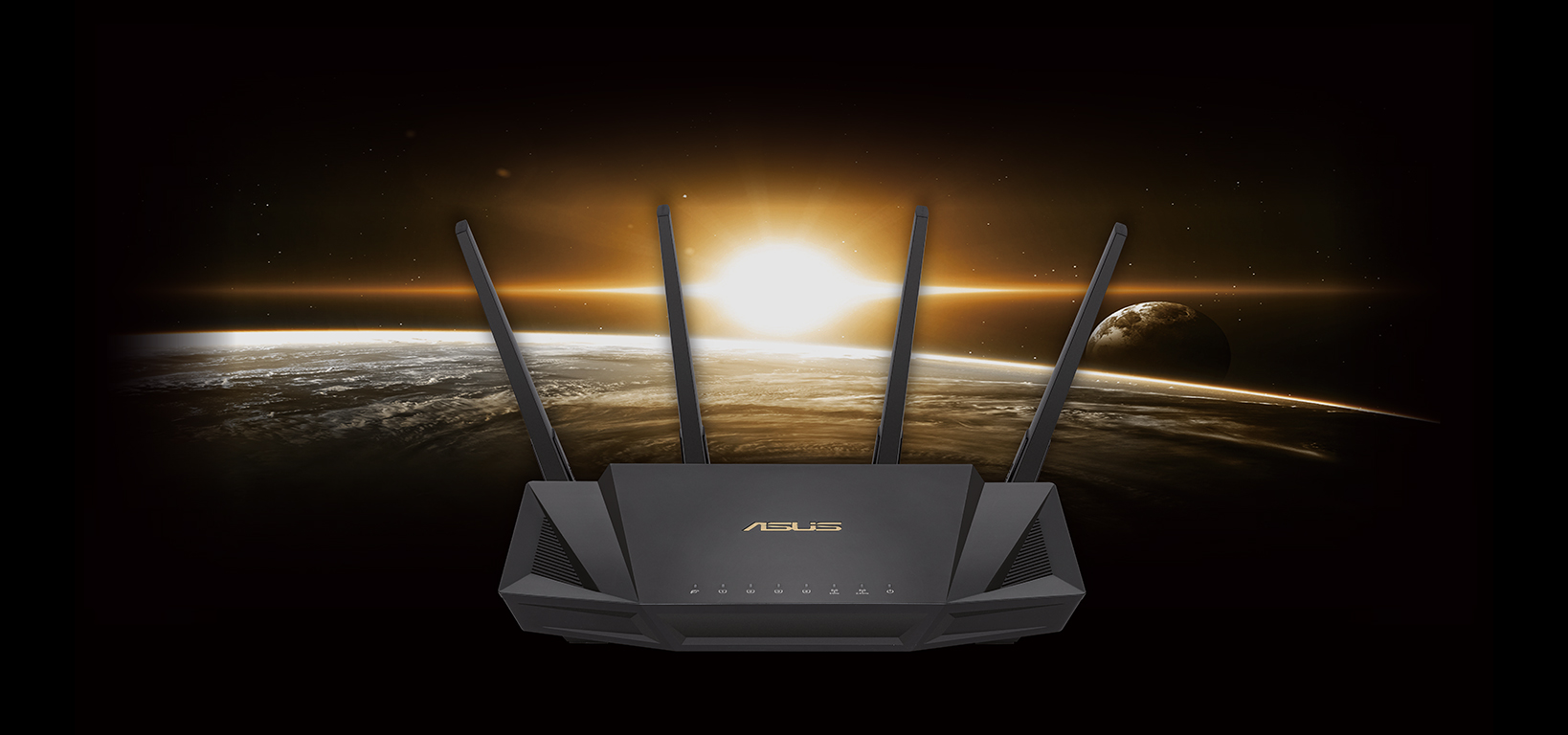
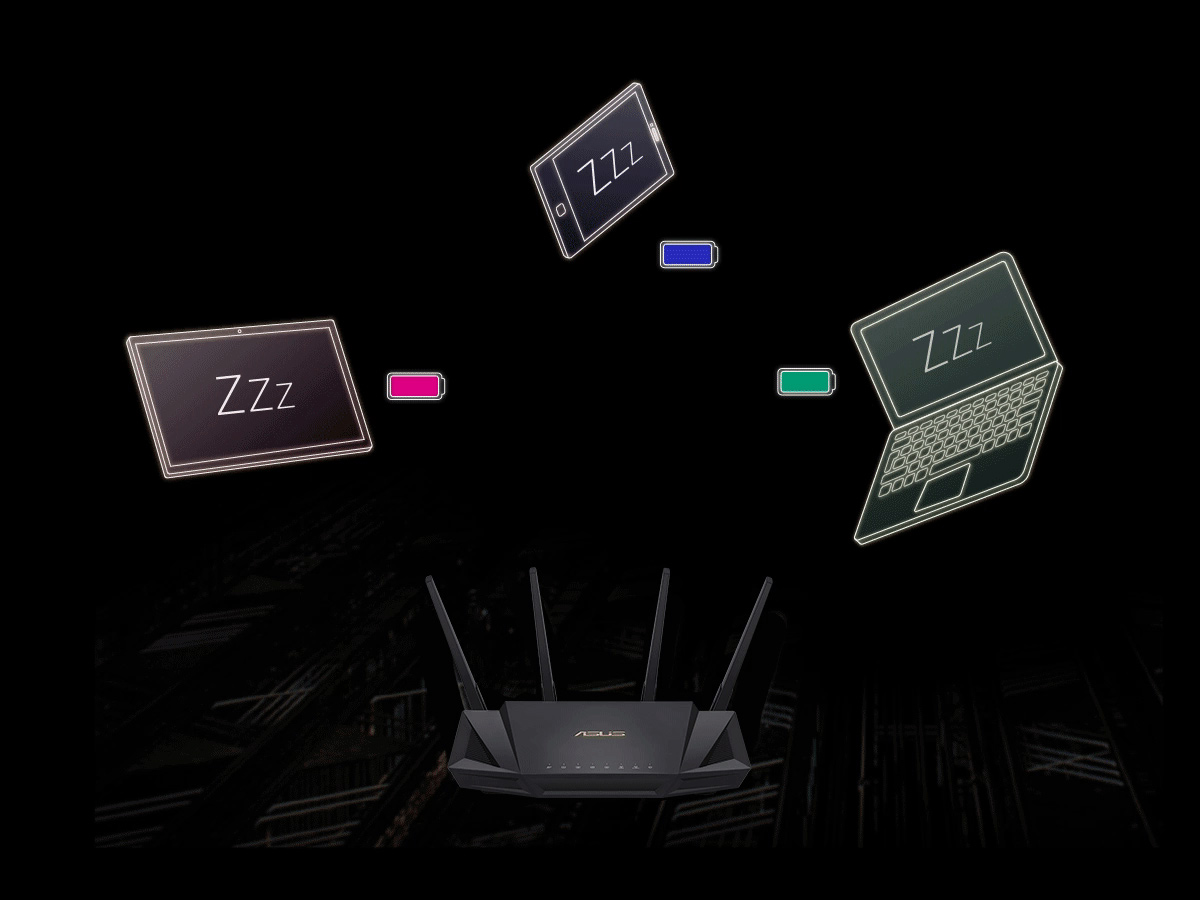
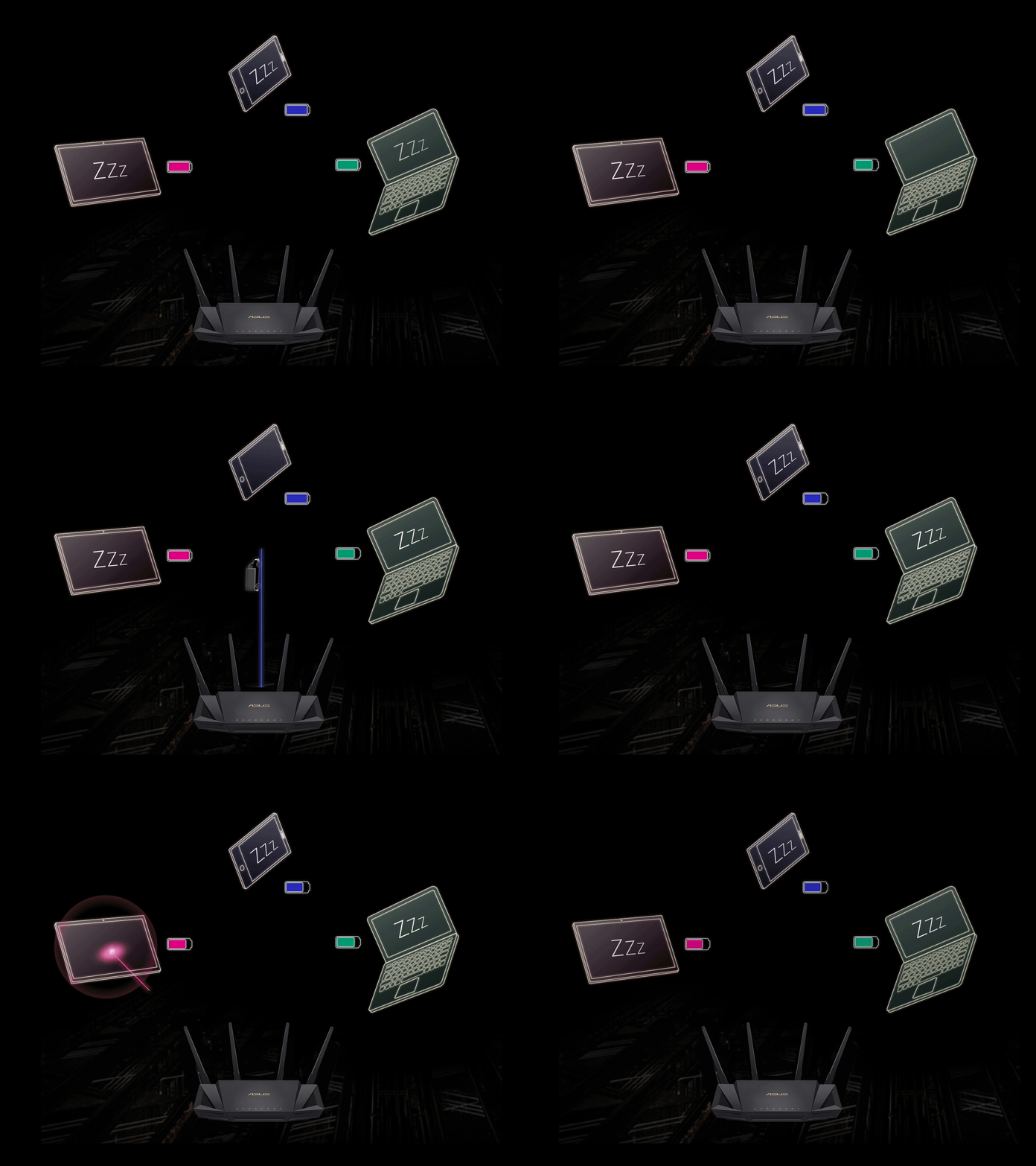
Target Wake Time (TWT) allows RT-AX58U to schedule designated intervals for devices to transmit data. This allows them to sleep when there is no need to wait for a router signal, reducing power consumption by up to 7X for significantly improved battery life*.
Without Target Wake Time
802.11ac
Higher Device Power Consumption
With Target Wake Time
802.11ax
7X better battery life for client devices
-
Better Coverage
Wi-Fi that Goes Farther
With the latest 802.11ax WiFi standard featuring OFDMA technology, RT-AX58U provides increased Wi-Fi signal range and better coverage by dividing each channel into smaller sub-channels. These sub-channels have a smaller bandwidth that enables them to travel up to 80% farther1, resulting in a better Wi-Fi connection throughout your home*.
802.11ax Technology
Up to 80%
Better Range*
9dB
802.11ac Technology
The Latest WPA3 Network Security
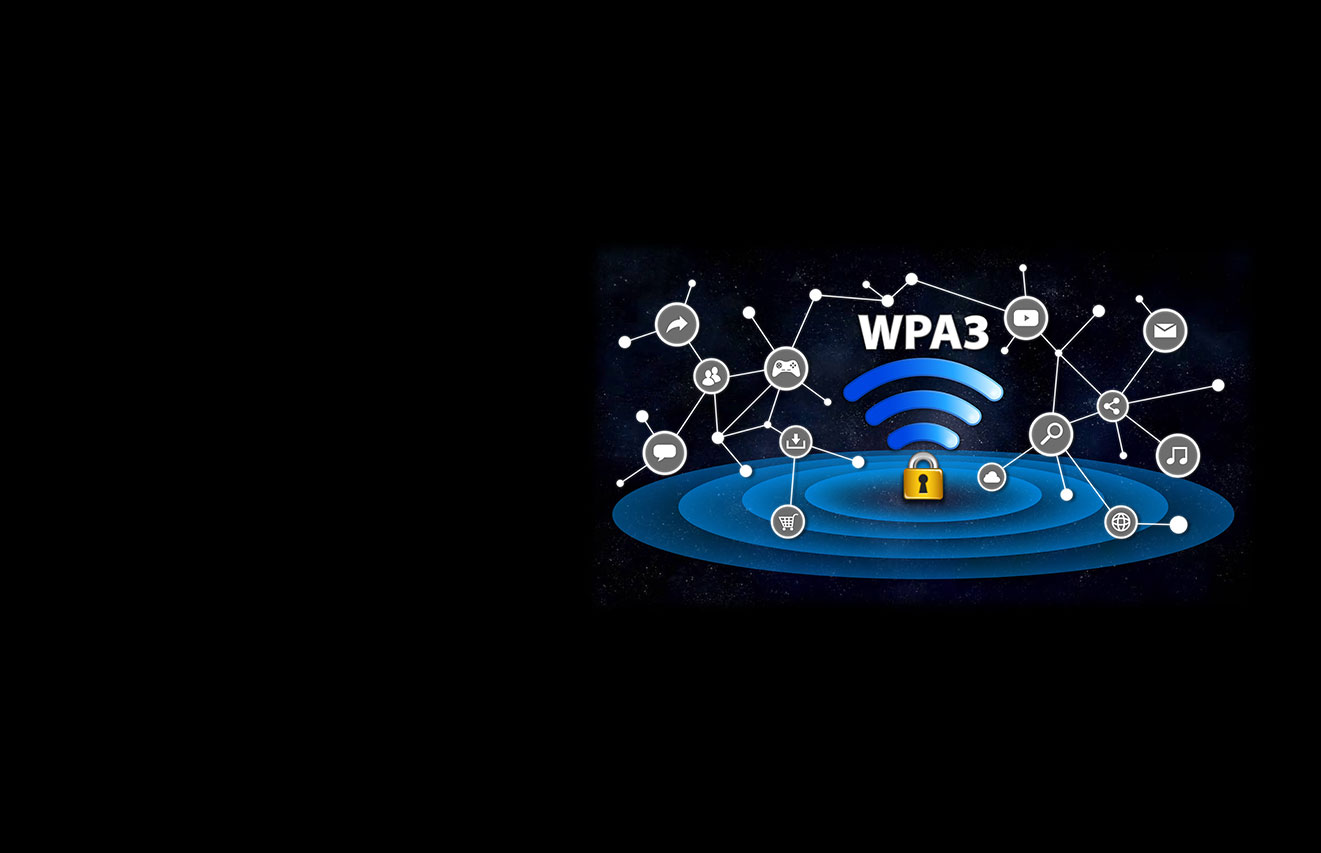
The next generation of Wi-Fi security, bringing new capabilities to enhance Wi-Fi protections in personal networks. Building on the widespread adoption of WPA2 over more than a decade, WPA3 adds new features to simplify Wi-Fi security, enable more robust authentication, and deliver increased cryptographic strength for highly sensitive data markets.
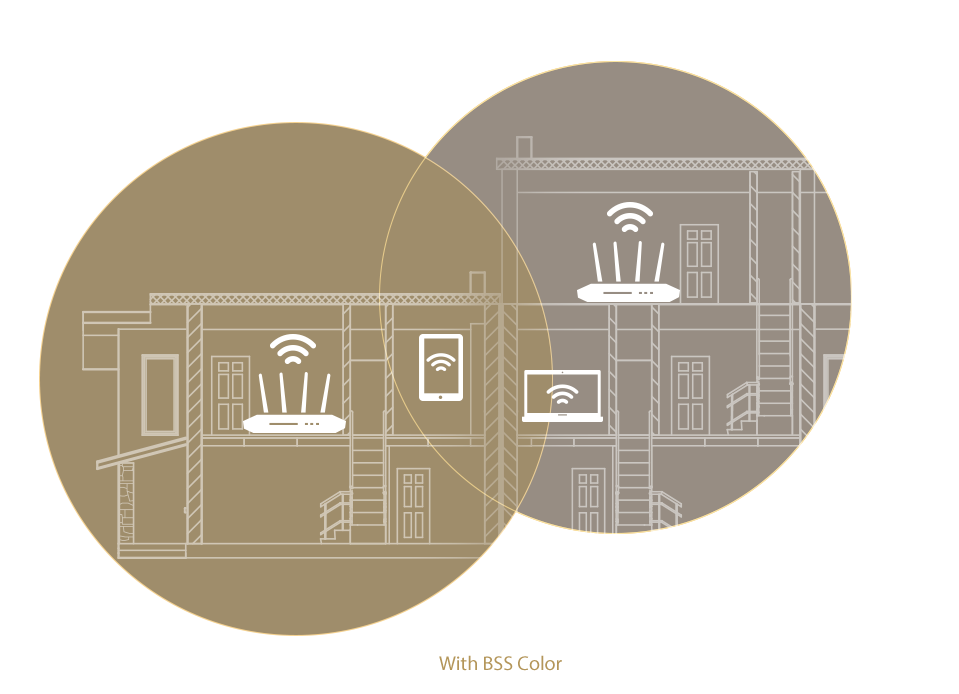
BSS Coloring Boosts Connection Efficiency
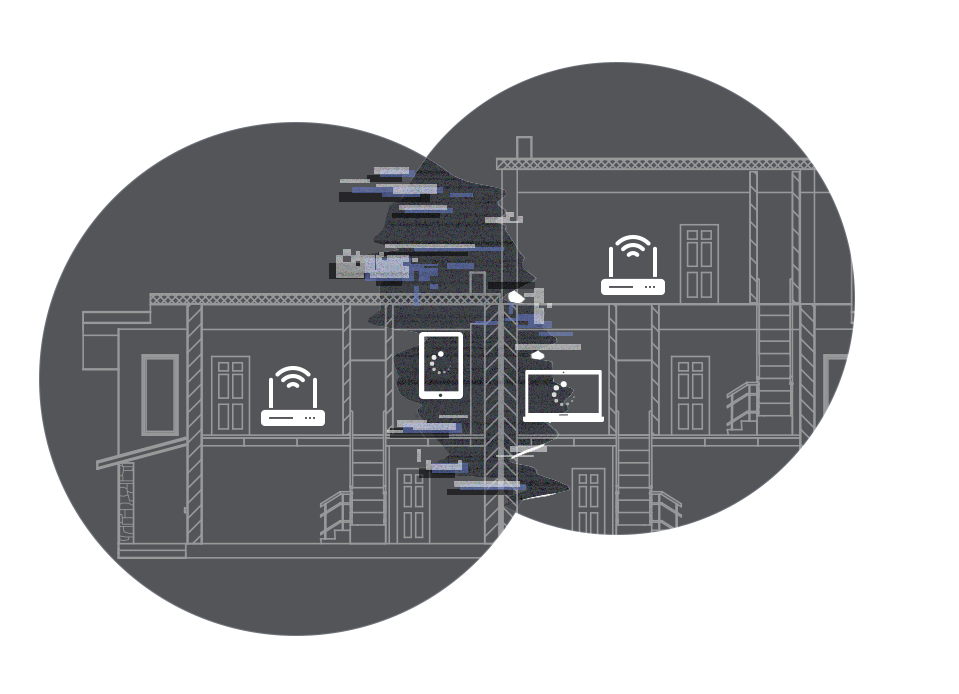
WiFi 6 includes a new feature called BSS Coloring that improves WiFi connection efficiency even in crowded environments. When two neighboring routers send traffic on the same channel, your router has to wait until the channel is free. With BSS Coloring, your WiFi 6 router identifies its data with a unique channel tag ('color') that's different from neighboring networks. Your WiFi 6 router can then ignore other-colored signals on the channel and send data immediately.* This greatly reduces router waiting times and boosts network efficiency.
*A BSS Coloring-compatible client is needed to enjoy the benefit.
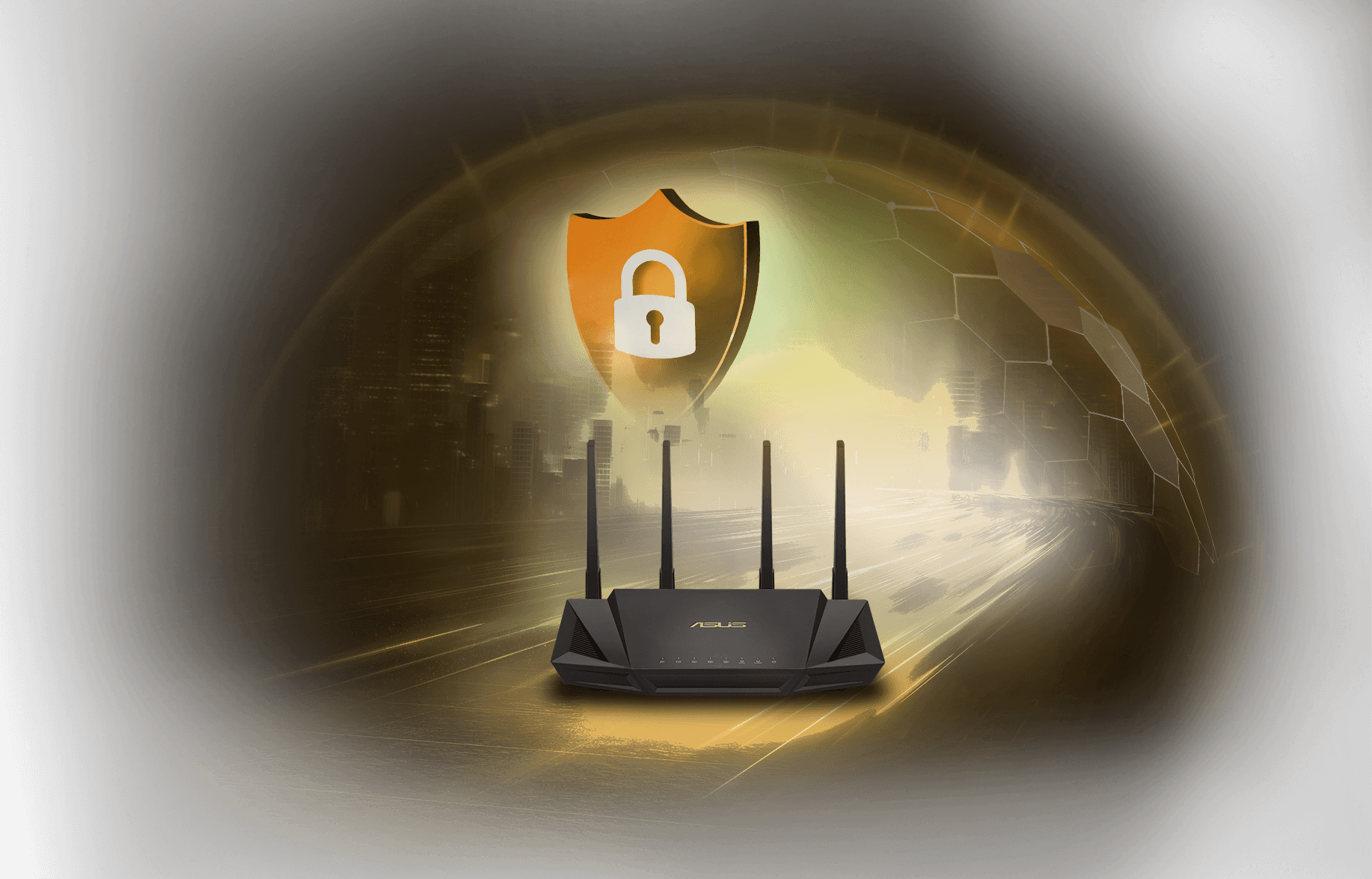
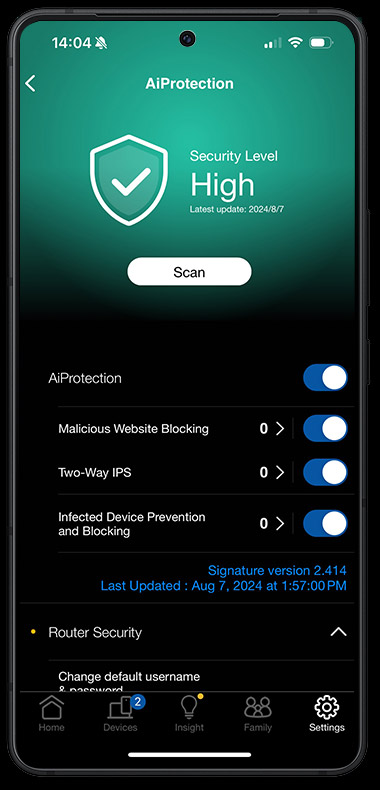
Subscription-Free Network Security
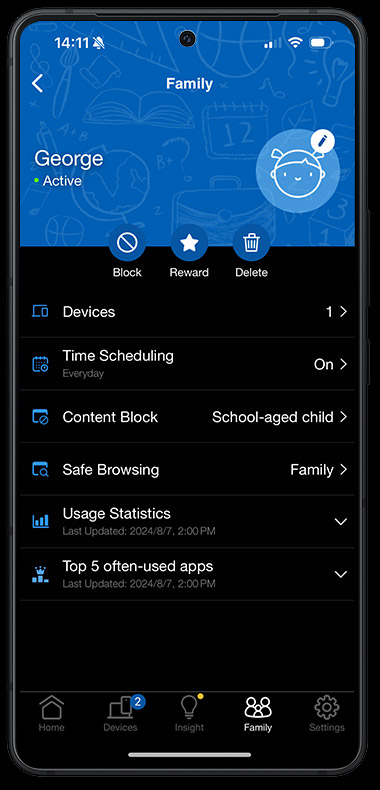
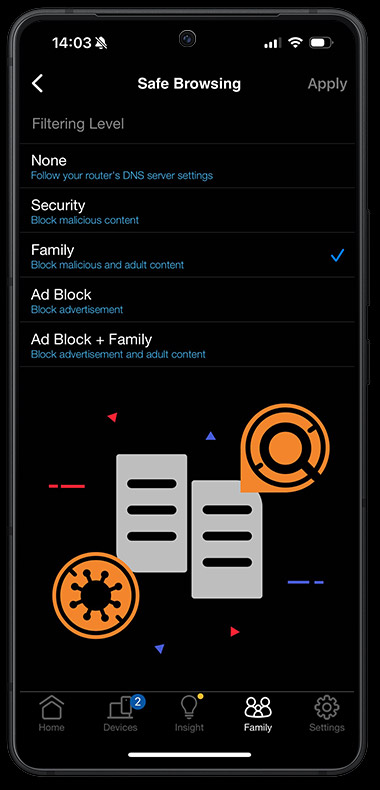
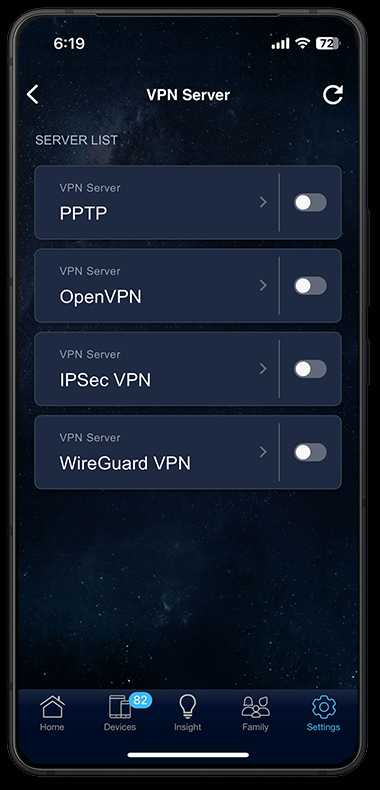
The latest ASUSWRT 4.0 levels up your network with enhanced security and privacy, all manageable via the handy ASUS Router mobile app. It features advanced parental controls, including Reward Time, one-tap Security Scan, intuitive Safe Browsing, and comprehensive built-in VPN features. ASUS routers are rigorously tested to ensure robust security and have received international certifications including the Cyber Security Agency of Singapore’s Cybersecurity Labelling Scheme.
The More Secure Router Brand*
*ASUS provides the widest selection of WiFi routers that have received the level 4 label under the Cybersecurity Labelling Scheme, as of November 2024.
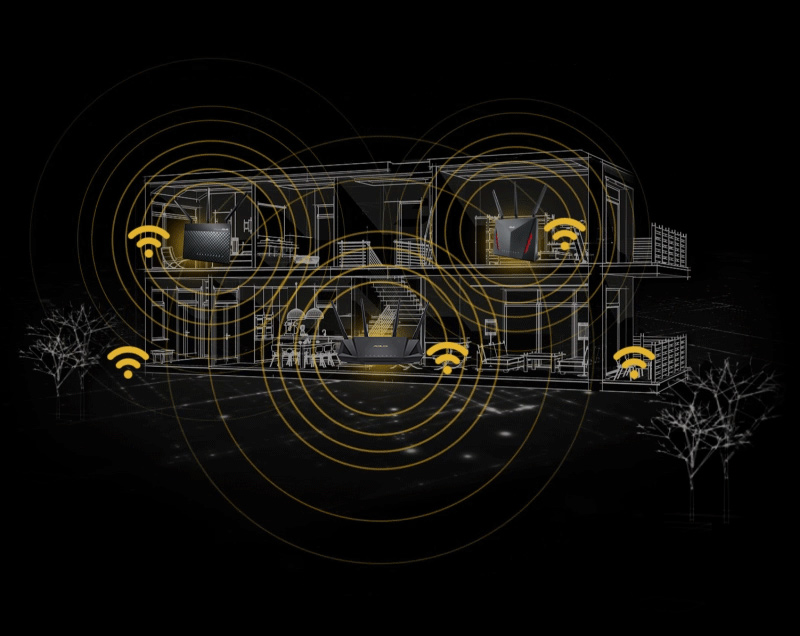
Powerful Whole-home Wi-Fi System.
The Way You Want.
In most cases, your
-
Turn your ASUS routers into whole-home Wi-Fi system with a simple firmware update
-
Mix and match preferred models from selected ASUS routers
-
Create a Wi-Fi network with either a single SSID or multiple SSIDs
-
All router features works across the entire Wi-Fi system
Disclaimers:
- 1 The data refers to uplink OFDMA.
- 2 ac data refers to: 40MHz / 256QAM on 2.4GHz band and 80MHz / 256QAM on 5GHz band. ax data refers to: 40MHz / 1024QAM on 2.4GHz band and 160MHz / 1024QAM on 5GHz band
- * To benefit from 802.11ax features, the Wi-Fi client needs to be 802.11ax capable.
- ** Actual data throughput and WiFi coverage will vary from network conditions and environmental factors, including the volume of network traffic, building material and construction, and network overhead, result in lower actual data throughput and wireless coverage.
- *** Quoted network speeds and bandwidth based on current IEEE 802.11ax specifications. Actual performance may be affected by network and service provider factors, interface type, and other conditions. Connected devices must be 802.11ax-compatible for best results.
- 經FCC和加拿大工業部認證的產品將在美國和加拿大銷售。請參閱華碩美國和華碩加拿大網站,瞭解有關當地可用產品的資訊。
- 所有規格如有更改,恕不另行通知。請與您的供應商/經銷商確認確切的報價。產品可能並非在所有市場都可用。
- 規格和功能或內建軟體因型號而異,所有圖像僅供參考。有關完整詳細資訊,請參閱規格頁面。
- 產品顏色可能會因拍照光線誤差或螢幕設定而與實際產品有所差異。
- 商標聲明:本網站所談論到的產品名稱僅做識別之用,而這些名稱可能是屬於其他公司的註冊商標或是版權。
- HDMI、HDMI高畫質多媒體介面及HDMI 標誌為HDMI Licensing Administrator, Inc.在美國及其他國家的商標或註冊商標。
- The actual transfer speed of USB 3.0, 3.1, 3.2, and/or Type-C will vary depending on many factors including the processing speed of the host device, file attributes and other factors related to system configuration and your operating environment.
- Actual data throughput and WiFi coverage will vary from network conditions and environmental factors, including the volume of network traffic, building material and construction, and network overhead, result in lower actual data throughput and wireless coverage.
- Quoted network speeds and bandwidth based on current IEEE 802.11ac specifications. Actual performance may be affected by network and service provider factors, interface type, and other conditions. Connected devices must be 802.11ac-compatible for best results.